
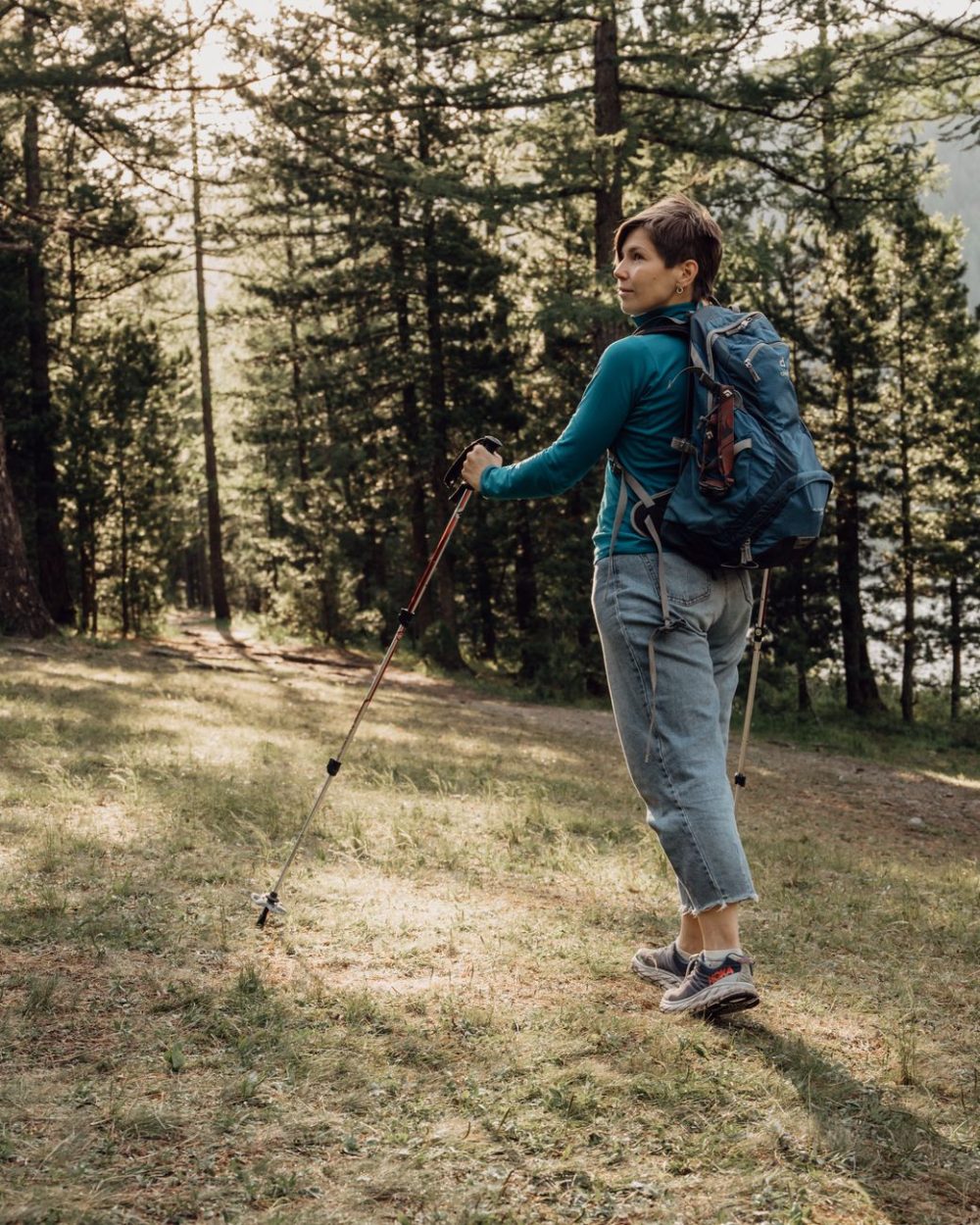
A long hike can be one of the best ways to disconnect from screens, explore nature, and challenge yourself. But when you are several miles into a trail, one thing becomes especially important: having reliable water. Choosing the best hiking water bottle can make a big difference, helping keep your water fresh, preventing leaks inside your backpack, and making hydration easier when your hands are busy navigating uneven ground.
For hikers, staying hydrated can become more challenging during long outdoor trips. Water may warm up throughout the day, bottles can develop odors after repeated use, and relying on disposable plastic bottles creates unnecessary waste. That’s why a good hiking bottle should offer more than just a place to carry water—it should combine insulation, durability, portability, and easy maintenance to keep you comfortable and hydrated from the start of the trail to the final mile.
A well-designed hiking bottle can make hydration simpler from the start of the trail to the final mile. With features such as insulation, leak-proof construction, self-cleaning technology, and a convenient carrying strap, modern water bottles are built to fit the demands of outdoor adventures.

What Makes a Good Hiking Water Bottle?
Not every reusable bottle is suitable for hiking. A bottle that works well at the office may not be practical when you are climbing a steep trail or carrying a heavy backpack.
When choosing a hiking water bottle, consider these important factors:
- Durability: It should handle bumps, drops, and outdoor conditions.
- Leak protection: A secure lid helps protect your backpack and other gear.
- Insulation: Keeping water cool can make a major difference on warm hikes.
- Weight: A lightweight bottle is easier to carry over long distances.
- Capacity: Choose enough water for your route without adding unnecessary weight.
- Easy cleaning: A bottle that is simple to maintain is more likely to stay fresh.
- Portability: A strap or compatible attachment can make carrying easier.
The best choice depends on your hiking style. A short morning walk may require less capacity than a full-day mountain hike, while hot-weather trails make insulation particularly useful.
Why Insulation Matters on Long Hikes
Temperature is easy to overlook when choosing a bottle. However, drinking warm water after several hours on a sunny trail is not always appealing, especially when you are already tired.
An insulated stainless-steel bottle can help maintain the temperature of your drink for much longer than a basic single-wall bottle. 24-hour insulation can be particularly useful for hikers who leave early in the morning and return later in the day.
For example, imagine starting a hike at 7 a.m. with cold water. Without proper insulation, your water may become noticeably warmer as the day gets hotter. A well-insulated bottle helps your water remain refreshing for much longer, encouraging you to drink regularly throughout the hike.
The Importance of a Leak-Proof Design
A leaking bottle can quickly turn a comfortable hike into an inconvenient one. If your bottle is stored inside a backpack, even a small leak can soak clothing, snacks, maps, electronics, or other equipment.
For hiking, look for a bottle with a secure lid and leak-proof construction. Before heading out, make it a habit to check that the cap is properly closed.
You can also test a new bottle at home by filling it with water, closing it tightly, and turning it upside down. This simple check can help you avoid unpleasant surprises on the trail.
Keeping Your Water and Bottle Fresh
Hiking bottles are often reused several times, sometimes on consecutive days. Without regular cleaning, moisture and leftover drinks can contribute to unpleasant odors and bacterial buildup.
A good cleaning routine should include:
- Empty the bottle completely after every hike.
- Rinse it with clean water.
- Wash the bottle and lid thoroughly.
- Pay attention to seals, threads, and other small areas.
- Allow everything to dry completely before storing it.
Some modern bottles go a step further with self-cleaning technology. For hikers who regularly spend time outdoors, this can provide an additional layer of convenience between deeper washes.
Can UV-C Technology Help?
UV-C technology is becoming increasingly common in modern hydration products. The basic idea is straightforward: UV-C light is used to neutralize microorganisms in water and help reduce microbial buildup inside the bottle.
A bottle such as the Bottles by sysnefo Smart Flow Bottle uses built-in UV-C purification technology. With the press of a button, the UV-C light works to neutralize harmful microbes without requiring chemical treatments or disposable filters.
The bottle also includes a self-cleaning function designed to help prevent odors and bacteria buildup. This can be particularly useful for people who use their bottle frequently during outdoor activities.
However, hikers should still follow normal water-safety practices. A purification feature does not mean that every natural water source is automatically safe to drink from. When hiking, always consider the source of your water and use an appropriate water-treatment method when necessary.
Best Hiking Water Bottles: Choosing the Right Capacity
Bottle capacity is another important consideration. Carrying more water gives you greater flexibility, but water is heavy. One liter of water weighs approximately one kilogram, so a larger bottle can noticeably increase your pack weight.
Think about:
- Short hikes: A smaller bottle may be enough if safe water is available along the route.
- Half-day hikes: A medium-to-large capacity can provide a useful balance between hydration and weight.
- Full-day hikes: You may need greater capacity or multiple bottles, especially where water sources are limited.
- Remote trails: Plan your water supply carefully and carry enough for the expected conditions.
Weather, elevation, trail difficulty, and access to reliable water sources should all influence your decision.
Why Stainless Steel Is a Practical Choice
Material matters when your bottle is going to spend hours outdoors. Durable stainless steel is popular because it can withstand regular use while providing a solid, long-lasting construction.
For hikers, stainless steel can offer several practical advantages:
- Strong construction for outdoor conditions
- Good resistance to everyday wear
- Suitable for insulated designs
- Reusable for long-term hydration
- Less reliance on disposable plastic bottles
A BPA-free design is also worth looking for when selecting a reusable bottle for everyday use.
Don’t Forget Portability
Even a great bottle can become inconvenient if it is difficult to carry. Hikers frequently need both hands available for climbing, using trekking poles, balancing on uneven terrain, or checking a map.
A carrying strap can make a noticeable difference. It allows you to hold the bottle more comfortably or attach it to your gear when appropriate.
The ideal bottle should fit naturally into your hiking setup rather than becoming another item you have to constantly manage.
How to Build a Better Hydration Routine While Hiking
Having a good bottle is only part of staying hydrated. You also need to develop a habit of drinking consistently.
Instead of waiting until you feel extremely thirsty, take regular small drinks throughout the hike. Your hydration needs will vary depending on temperature, physical effort, elevation, and individual factors.
A simple approach is to:
- Drink before starting your hike.
- Keep your bottle easily accessible.
- Take regular sips during the walk.
- Drink more frequently in hot or demanding conditions.
- Refill only from reliable and appropriately treated water sources.
- Check your water supply before starting the return portion of your route.
Planning is especially important on unfamiliar trails. Check the route beforehand and identify where, if anywhere, safe water may be available.
A Practical Example for a Day Hike
Imagine you are planning a six-hour hike on a warm day. You expect several steep sections and know that there are no reliable water stations along most of the route.
Instead of simply grabbing the first bottle you find, think about what the trip actually requires. You need enough capacity, good insulation, a secure lid, and a design that is comfortable to carry.
A durable insulated bottle with a leak-proof construction and carrying strap could keep your water accessible throughout the hike. A UV-C self-cleaning feature can also add convenience when the bottle is used frequently.
The key is matching the bottle to the conditions rather than choosing one based only on appearance.
What to Look for Before Buying Hiking Water Bottles
Before choosing among the many best hiking water bottles, use this quick checklist:
- Is the bottle durable enough for outdoor use?
- Does it have reliable leak protection?
- Will it keep water at a comfortable temperature?
- Is the capacity appropriate for your route?
- Is it comfortable to carry?
- Is the material BPA-free?
- Is it easy to clean?
- Does it offer useful hygiene features?
- Will it fit into your backpack or hiking gear?
- Is it reusable enough to reduce dependence on disposable bottles?
Thinking through these questions can help you avoid buying a bottle that looks good but does not work well for your particular hiking routine.
Final Thoughts on the best Hiking Water Bottles
Choosing the right hiking water bottle is really about making hydration easier throughout your adventure. Durability, insulation, leak protection, capacity, portability, and easy maintenance all matter when you are spending hours on the trail.
For regular hikers, features such as 24-hour insulation, stainless-steel construction, a carrying strap, and UV-C self-cleaning technology can provide useful advantages. The Bottles by sysnefo combines several of these features into one design intended for active, everyday use.
Ultimately, the best bottle is the one that fits your route, your hydration needs, and your outdoor routine. Choose carefully, plan your water supply, and you can spend less time worrying about your bottle and more time enjoying the trail.